At KVC, we want every child and adult to be safe & connected to a strong family and a healthy community. We’re proud to be a leader in innovative, effective and compassionate care. See all services.
Services Near You
Kansas
Missouri
Nebraska
We also provide consultation and training through the KVC Institute. Learn more about our software and technology.


What Does the FIFA World Cup 2026™ Coming to Kansas City Mean for Your Family?

The FIFA World Cup 2026™ is in Kansas City, and it’s going to be something your family will remember for years!
- Six matches at Kansas City Stadium (Arrowhead Stadium).
- A free, city-wide celebration at the Fan Festival Kansas City 2026 at the National WWI Museum and Memorial.
- More than 650,000 visitors from across the world.

Courtesy of Visit KC
You’ll hear new languages, experience different cultures and see Kansas City come alive in a whole new way. It’s exciting and it’s special!
At the same time, if you’re a parent or caregiver, it’s normal to feel a little unsure about what this means for your family. You might be wondering:
- How do I keep my kids safe in all of this?
- What if they get overwhelmed?
- What if something unexpected happens?
Those are real concerns, and you’re not alone in having them.
A Little Preparation Can Help a Lot
Moments like this don’t have to feel overwhelming. With a little preparation and the right support, your family can feel confident and ready to enjoy this once-in-a-lifetime experience.
At KVC, our family of nonprofits support children and families every day through situations that feel stressful, uncertain or new. From helping kids manage anxiety to providing care during a crisis, our team is here to guide families through whatever comes next.
One thing we’ve learned is that things don’t have to go perfectly. What matters most is having a plan and the right support when you need it.
That’s why we’re sharing these practical tips you can use before, during and after the World Cup.
Keep reading or watch this KCTV5 story for our family safety tips:

What to Expect During the World Cup in Kansas City
From mid-June through mid-July, daily life in Kansas City may look a little different.

Credit: Austin Walsh
Big moments your family may want to be part of:
- Match days (June 16, 20, 25, 27, July 3 and July 11)
- The Fan Festival at the World War I Museum, running multiple days from June 11 through July 11, with live entertainment, food and activities
- Teams from across the globe, including Algeria, Argentina, England and the Netherlands, setting up training base camps around the KC metro & in Lawrence, KS
What that might mean for your day-to-day routine:
- Heavier traffic, especially 3+ hours before and after matches
- Busier downtown KC areas and major highways like I-70, I-435 and I-35
- Longer travel times, even for everyday errands
- Larger crowds in public spaces

Courtesy of Visit KC
With ConnectKC26, there will also be expanded transportation options like tournament bus routes connecting the airport, downtown and event spaces, but planning ahead will make a big difference. And try out the expanded bus routes if you’re headed to downtown KC or any of the tournament festivities! With this once-in-a-lifetime opportunity, try something new!

What Parents and Caregivers Are Thinking About (And What Helps)
You don’t have to guess your way through this. Our child safety and mental health experts have outlined common concerns families have, along with simple ways to prepare and respond.
With crowds this size, it’s one of the most common worries for parents and caregivers. What helps:
- Agree on a clear meeting spot before you arrive
- Take a quick photo of your child that day (helpful if needed)
- Make sure kids know your phone number or have it written down
- Use a buddy system
Even a simple plan can turn a stressful moment into something manageable.
Between the noise, crowds, travel and excitement, even the most outgoing kids can hit a limit.
You might notice:
- Meltdowns or irritability
- Wanting to leave suddenly
- Shutting down or withdrawing
What helps:
- Build in breaks and downtime
- Bring comfort items or snacks
- Step away when needed, even if it changes your plans
- Check in often and keep it simple: “How are you feeling right now?”
You don’t have to do everything. You just have to support your child.
You’re probably right. And that’s okay.
During the tournament (June 11–July 13), your normal schedule might shift more than expected.
Try to:
- Keep a few small routines consistent (bedtime, meals, quiet time)
- Plan ahead for high-traffic days
- Give yourself extra time so you’re not rushing
Kids don’t need perfection. They need predictability where it counts.
Most families will have a safe, positive experience. But awareness matters.
With large international events, there can be increased risks like:
- Children getting separated from caregivers
- Situations where youth may be vulnerable or need help
What you can do:
- Stay aware of your surroundings
- Know where staff, volunteers or security are located
- Trust your instincts
And just as important:
Avoid making assumptions.
Families come in all forms. People of different races, cultures or languages together is not a warning sign. If something truly feels concerning, focus on getting help from trained professionals rather than jumping to conclusions.

Looking Out for Youth Safety During the World Cup
When a global event like the World Cup comes to Kansas City, it brings energy, connection and opportunity. It also brings larger crowds, busier spaces and more moments where young people may need extra awareness and support.
You might hear conversations about human trafficking around major events. It’s important to approach this topic with accurate information, not fear.
What’s Important to Understand About Human Trafficking
Human trafficking is often misunderstood.
- It rarely looks like a stranger abduction in a crowded place
- It more often involves manipulation, coercion, grooming or control, sometimes by someone a young person already knows
- It can happen online or over time, not just in public settings
Large events don’t create trafficking on their own, but they can create more opportunities for vulnerable situations to go unnoticed if people aren’t paying attention.
According to the Human Rights Watch, risks that children can face in the context of major sporting events include trafficking, sexual exploitation, child labor, and family displacements, among other forms of violence and abuse. You can report suspected human trafficking in Kansas here.
You don’t need to be on high alert or suspicious of everyone around you.
Instead, focus on what actually helps:
- Stay connected with your child or teen about where they are and who they’re with
- Talk openly about online safety, especially if they’re engaging with new people or content
- Encourage them to trust their instincts and come to you if something feels off
- Keep communication simple and judgment-free so they feel safe being honest
During busy, fast-moving events, it’s easy to miss when something isn’t right.
If you notice a young person who seems:
- Unusually withdrawn, fearful or controlled
- Unable to speak for themselves in a situation
- In need of help or unsure where to go
The most important thing is not to jump to conclusions, but to respond with care.
That might mean:
- Checking in with event staff or security
- Notifying the appropriate authorities if something feels genuinely unsafe
- Focusing on the wellbeing of the child, not assumptions about the adults around them
And just as important:
Avoid profiling or bias.
Families and relationships can look many different ways. Differences in race, language or age are not signs of harm on their own.

Be Part of the Support When It Matters Most
 Large events like the World Cup can sometimes create situations where children and teens need help right away. When a young person is separated from a safe adult or facing a vulnerable situation, emergency foster parents step in at a moment’s notice.
Emergency foster care provides a safe, temporary home for youth in crisis while their families work toward safe reunification.
With this increased need, you can be the safety net a child or teen needs when it matters most. You don’t need prior experience to get started. KVC provides training and ongoing support every step of the way.

Don’t Miss the Good the World Cup Will Bring
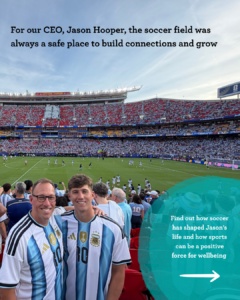
KVC President & CEO Jason Hooper reflects on the skills he learned through sports that still impact how he connects with his family, community and his team. And this once-in-a-lifetime event can boost our sense of wellbeing and sense of belonging!
With so much to plan for, it’s easy to focus on what could go wrong. But there’s also so much that can go right!
The World Cup connects people across backgrounds, languages and borders. This is a rare chance for your child to experience the world without even leaving Kansas City! They may hear new languages, experience different cultures and feel the energy of people coming together for something bigger than themselves.
The World Cup can help kids:
- Build confidence in new environments
- Grow their curiosity about the world, new languages and unique cultures
- Feel connected to others
- Create memories they’ll remember for years
That sense of connection matters. Shared experiences, like cheering for a team or experiencing a once-in-a-lifetime event, can support a child’s sense of belonging and overall wellbeing.
Did you know that healthy fandom can help children and teens make friends and feel less alone? Hear how KVC’s mental health experts explain the mental health benefits of fandom: From Swifties to Soccer Fans: The Mental Health Benefits of Fandom
If You Need Help or Something Doesn’t Feel Right
 Whether your family is full of excited soccer fans or you’re feeling a bit stressed, it’s important to check in with yourself and your children’s mental health. Even with the best plans, life can change quickly. Knowing who to call ahead of time for help can give you peace of mind.
If you’re concerned about how your child is coping, check out our mental health resources:
- Understanding anxiety in children and teens
- See how to help your child handle big feelings with these emotion regulation tools
- Download a free assessment to help you determine if your child would benefit from mental health care
A Quick Reminder
It’s okay to ask for help. Big events like the World Cup can bring a lot of change. Save these resources ahead of time so you can act quickly if needed. And if you’re ever unsure what to do, reaching out is always the right first step.
For more information about available emergency support, explore these resources:
If your child or teen is struggling emotionally, support is always available.
- Call Camber Mental Health at 913-890-7468 to talk through what’s going on and get guidance on next steps for care
- Call or text 988 to reach the 988 Lifeline. Chat is also available online at 988lifeline.org
- Anxiety, panic or overwhelming stress
- Big emotional reactions or sudden behavior changes
- Concerns about your child’s safety or wellbeing
If your child or teen may need more immediate or intensive mental health support, our Camber Mental Health team can help you figure out what's next. Call the Camber Admissions Line: 913-890-7468 or visit their website.
Some signs you may need to contact Camber:
- Your child is experiencing a mental health crisis or escalating behaviors
- You’re worried about their safety or ability to stay stable at home
- Outpatient support doesn’t feel like enough right now
- You’re not sure what level of care your child needs
Their team can talk through your situation, help assess what’s going on and guide you toward the right level of care.

Learn to recognize the signs of child abuse and neglect so you can respond with care and confidence.
If you’re concerned about the safety or wellbeing of a child or teen, it’s important to report it so trained professionals can step in.
- Missouri Child Abuse & Neglect Hotline: 1-800-392-3738
- Kansas Protection Report Center: 1-800-922-5330
If you've noticed concerning signs, making a report allows experts to take a closer look and ensure a child is safe.
If your child or teen, or someone you know, is currently experiencing a mental health or safety emergency, go to your local emergency department or community mental health center right away, or call 911. If you need support for sexual or domestic violence, you can call one of these resources for help:
- SafeLine Kansas: 1-888-363-2287
- CARE Center: 785-843-8985
- Willow Domestic Violence Center: 785-843-3333
- Hope House: 816-461-HOPE (4673)
- Kasas City Anti-Violence Project: 816-701-9984
Kansas:
Missouri:
About KVC Health Systems
KVC Health Systems is a family of nonprofit organizations serving children and families across Kansas, Kentucky, Missouri, Nebraska and West Virginia. Each year, we walk alongside nearly 85,000 children, teens and families through mental health treatment, family services, education, foster care and community-based programs.

Our work is guided by a shared mission, vision and set of values focused on strengthening families, preventing child abuse and neglect, and helping children and adults achieve mental wellness.
 Support can look different for every family. It may mean helping a child manage everyday stress and big emotions, or providing more intensive care through Camber Mental Health, KVC Health Systems’ inpatient and residential mental health treatment network.
Our team includes therapists, case managers, medical professionals and child safety experts who help families navigate challenges and find the support they need, especially during uncertain or high-stress moments.
Because every child deserves to feel safe, supported and connected, and every family deserves to know where to go for help.