


When Childhood Is Content: Shari Franke’s Story and Protecting Children Online
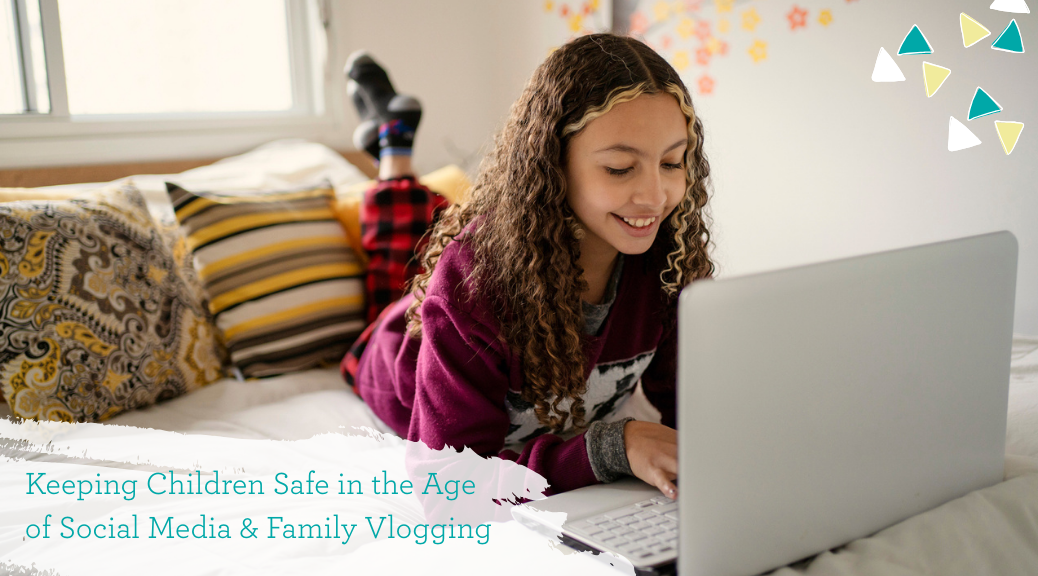
Every child deserves to feel safe and connected to a strong family and a healthy community. When that safety is compromised, the effects can last far beyond childhood. That’s why child abuse prevention begins with awareness, compassion and action.
According to the Centers for Disease Control and Prevention, at least one in seven children experienced abuse or neglect in the past year. Many more situations go unseen or unreported. Listening to survivors who share their stories helps us better understand how to protect children and strengthen families.
Shari Franke’s story has sparked a national conversation. Her experience has raised important questions about family vlogging, children’s privacy and the responsibility adults carry when children’s lives are shared online.
The House of My Mother: Shari Franke’s Story
Shari Franke is the oldest daughter of the Franke family, who was convicted of aggravated child abuse in 2024. Before the case became public, millions of people followed the family’s daily life online. Videos documented routines, discipline and deeply personal family moments.
 As an adult, Shari chose to share her experiences in her memoir, The House of My Mother: A Daughter’s Quest for Freedom. She has also addressed lawmakers about the risks of parents monetizing their children online. Her decision to speak publicly reflects an important truth about healing. Survivors deserve the right to reclaim their voice and determine how their story is told.
Janny Sivilay, Director of Admissions and child safety expert at Camber Mental Health, KVC Health Systems’ inpatient mental health hospital network, explains why consent and autonomy matter.
Janny Sivilay, Camber Mental Health Director of Admissions
“Survivors have had their autonomy and consent taken away from them,” Sivilay explains. “It’s always imperative that they’re given the ability to choose whether or not to speak about their experiences, as well as how they would like to express what happened.”

Empowering survivors with control over their narrative can be an important part of healing. It also invites communities to reflect on how children’s safety and dignity are protected in both private and public spaces.
When Sharing Becomes Exposure
Many parents share milestones online. Photos of birthdays, school events and family trips can help loved ones feel connected. Concerns arise when sharing becomes constant exposure and children have little say in what’s made public.
Children cannot fully understand the long-term impact of having their lives documented online. A child may agree to be filmed today but feel differently as a teenager or adult. Once something is posted, it can be copied, shared or saved without limits.
 Franke described herself as a “victim of family vlogging” when she addressed lawmakers about minors and social media. Her testimony raised questions about ethics, consent, compensation and emotional wellbeing for children who grow up as online content.
The Long-Term Impact of Growing Up in the Public Eye
 Family vlogging and social media raise concerns about privacy, safety and long-term wellbeing. Former child celebrities have spoken about similar experiences. In her memoir I’m Glad My Mom Died, Jennette McCurdy shared her experiences with abuse and neglect while growing up in the public eye.
When young people grow up in highly controlled or publicly scrutinized environments, they may experience:
- Anxiety
- Depression
- Complex post-traumatic stress disorder (C-PTSD)
- Difficulty forming an identity or loss of identity
- Difficulties with boundaries
- Attachment wounds
When children experience frequent judgment or early neglect, they may internalize shame. They may struggle to understand what healthy relationships look like. Over time, this can affect self-esteem and boundaries.
It’s important to remember that every child’s experience is unique. Some children who appear in online content may feel comfortable and supported. Others may feel pressure to perform or comply. What matters most is whether adults prioritize the child’s wellbeing over engagement, income or public image.
Understanding “Sharenting:” When Sharing Online Goes Too Far

“Sharenting,” a term coined by journalist Steven Leckart, has evolved with the growth of the internet over the last few decades. While many families post responsibly, concerns arise when children’s privacy and safety are compromised.
Public Scrutiny
Sharing photos, videos or updates about children online can be dangerous. This content may be viewed by people with harmful intentions. Even without direct threats, children may face embarrassment or bullying related to content shared years earlier.
Sharing a child’s life online exposes them to unsolicited opinions. This could include judgments on their appearance, physical bodies, personalities, choices and opinions. Children are still developing their sense of identity. When others scrutinize their identity, they may struggle to know whether their preferences are their own or the result of public shaming.
Safety Concerns
Sivilay notes that once a child’s likeness is widely shared, it cannot be fully controlled. Adults have a responsibility to think beyond the present moment and consider how posts may affect a child’s safety.
“The idea of a stranger being able to recognize your child if they see them in public is concerning and not something you can control once the child’s likeness is out in the world,” explains Sivilay.
Inability to Consent
Children are unable to provide meaningful consent to the sharing of their lives online because they’re not equipped to understand the short- and long-term impacts. For example, an eight-year-old may not mind being filmed now. But could find things shared about them online upsetting or uncomfortable in adulthood. And it’s important to remember that anything posted online is online forever.
Sivilay says that parents and caregivers have a two-fold ethical responsibility when sharing their children’s lives online:
- To explain the full scope of what this public sharing entails.
- To act as the adult discernment in knowing what may negatively affect their child in the future. Then choose not to share that content.
Children cannot properly set boundaries around how their image is used online. Therefore, it’s up to the adults in their lives to prioritize the child’s future.

How You Can Help Children Experiencing Abuse or Neglect
Child abuse prevention begins at home and extends to the local community: friends, family members, neighbors, teachers and other caring adults.
To support children and families in your life, it’s important to recognize the signs of child abuse and neglect. It’s also helpful to know what tools are available to keep kids safe.
Online Warning Signs of Possible Abuse or Neglect at Home
Warning signs of abuse or neglect are not always visible online. Parents or caregivers may not share obvious evidence. However, patterns of distress, fear or discomfort in a child may be a sign that something is not right.
Some signs to watch for include:
- Clear signs that the child is uncomfortable being filmed or photographed
- The child asking not to be recorded or appearing distressed around cameras
- Adults sharing personal or vulnerable moments for public content
- Children being pressured to perform or repeat scenes for the camera
- Content that shames, humiliates or punishes a child for entertainment
- Oversharing personal details that could affect the child’s privacy or safety
How You Can Help
If you’re concerned about a child you know, begin with compassion. Offer support rather than judgment. Many families facing challenges can benefit from practical help such as childcare, meals, respite or connections to professional mental health counseling.
 Building a trusting relationship with the child is also important. Taking time to listen, showing consistent care and validating their feelings can help them feel safe and supported. These everyday moments of connection remind children that there are adults they can trust and turn to when they need help.
When a child’s safety is in question, contacting child protective services can open the door to expert assessment, resources and support. Reports can often be made anonymously. The goal is not punishment. The goal is the children’s safety and stability.
You can confidentially report suspected abuse by calling the Childhelp National Abuse Hotline at 1‑800‑4‑A‑CHILD (1‑800‑422‑4453). If a child is in immediate danger, call 911.
Healing from Trauma Caused by Abuse or Neglect
For people who have experienced abuse or neglect, healing can be complex. The effects of trauma do not disappear simply because the situation has ended. Survivors may have learned to numb emotions as a way to cope. Reconnecting with those emotions can feel overwhelming at first.
With trauma-informed care, supportive relationships and access to mental health services, survivors can build resilience and safely move forward.
How KVC Strengthens Families and Protects Children
At KVC Health Systems, we work to ensure every person is safe and connected to a strong family and a healthy community. Our caring team of 2,800 mental health and child welfare professionals strengthens families, prevents child abuse and neglect, and helps children and adults achieve mental health wellness. Our track record on child safety is why families and state governments across the U.S. trust us to care for children and teens in crisis.
If you’re concerned about a child’s safety or a family in your community, help is available. To learn more about KVC’s prevention services, family support programs and mental health resources, visit kvc.org.
Plus, explore more child abuse prevention resources:
