


Helping Kids Heal: Inside the Life of a Behavioral Health Technician
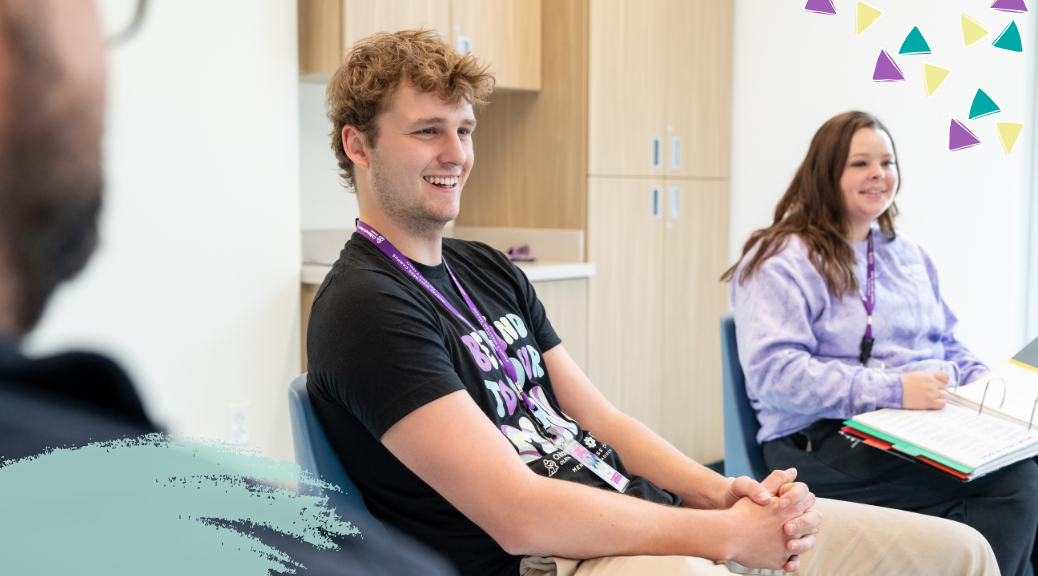
For Behavioral Health Technicians (BHTs), every interaction is an opportunity to help a child feel safe, supported and understood.
Every day looks a little different for a Behavioral Health Technician. One moment, you might be helping a child establish a healthy morning routine. The next, you’re listening to a teenager work through overwhelming emotions or celebrating a breakthrough that once felt impossible.
Behavioral Health Technicians (BHTs) are often the steady presence children and teens remember long after they leave treatment. Through patience, compassion and consistency, BHTs help young people build coping skills, confidence and hope for what’s ahead.
If you’ve ever wanted a career where your work truly matters, becoming a Behavioral Health Technician with KVC Health Systems offers the opportunity to make a meaningful difference in the lives of children and families every single day.
What Do BHTs Do?
Behavioral Health Technicians (BHTs) with KVC Health Systems walk alongside children and teens during short- and long-term treatment, helping them find connection, healing and hope. They create a safe environment where these children and youth can heal, learn, grow and work through the difficult situations they face.
From assisting patients with daily activities like hygiene and meals to guiding therapy groups and providing academic support, BHTs are mentors, friends, guidance counselors and authority figures who give patients the respect and dignity they deserve in a structured environment.
BHTs help patients:
- Build healthy routines
- Develop coping skills
- Learn to trust again
- Provide a consistent source of support throughout every day
While routines and structure are important for helping these patients recover, being a BHT also requires flexibility. Emotional challenges can happen anytime, requiring extra attention and support for a given patient or a disruption from the planned routine for the day. Because patients are constantly being admitted and discharged, ages range from five to 17 years old, requiring adjustments to daily plans to create the best possible outcomes for each child and youth.
Meet the BHTs: Why They Do What They Do
For an inside look at what it’s really like to be a Behavioral Health Technician, we asked two of our BHTs at Camber Hays to share their experiences working with children and youth in Kansas: Wyatt Spexarth, who has been with Camber Hays for over a year, and Nessa Mitchel, who has two and a half years under her belt as a BHT.
Meet Nessa & Wyatt

Nessa Mitchel, BHT
Nessa has always been drawn to helping others. After many years spent caring for older adults in healthcare, she joined KVC as a Behavioral Health Technician to make a difference in the lives of children and teens. For Nessa, facing confrontational or highly emotional situations can be challenging. But she has learned how to approach these moments with empathy and patience. “At the end of the day, I hope they take what we’re doing here and apply it later on in life, so they can even help someone else.”
As the second oldest of 52 cousins, Wyatt is no stranger to working with children and teens. As an aspiring med student, a BHT career was the perfect balance of healthcare experience and doing what he already knew and loved. The most challenging part of his job is also the most rewarding, Wyatt says. It’s hard to see a child who is clearly struggling, but getting to help them through it makes the challenge worth it.
“When you spend so much time with these kids, you genuinely care for them and want them to do well,” shares Wyatt. “Does it break my heart to see them hurting? Always. Absolutely. But those are also the moments when we have the opportunity to make the biggest impact. The day can get so busy with so many kids in the unit, but sometimes what they need most is just knowing they’re being heard.”
Support for Mental Health Professionals
While being a BHT is hard work, KVC ensures you are supported from day one. From the initial training to ongoing support and continuing education, BHTs are surrounded by leadership who care about their success and the impact they can make on our patients. KVC employees also have health, dental and vision insurance coverage and wellness benefits like gym memberships, health screenings and mental health support.
 All of these benefits make for incredible overall support, but the real magic happens in how our BHT teams support one another day to day. “You can go through the two weeks of training and think you’ve got this, but the real test is when you hit the floor,” says Nessa. “Having a good support system to help implement those trainings is really important.” BHTs are always working in teams with other BHTs, giving them a go-to person for advice and support when challenges arise.
For newer BHTs, Camber Hays recently established a mentorship program to connect new trainees with seasoned BHTs. For four days, they shadow multiple BHTs to learn different styles of caring for and supporting patients. Then they get the opportunity to step into their own, all with another BHT shadowing them and providing support as needed. “They help navigate a lot,” says Wyatt. “If there’s a patient who’s struggling with something and I really don’t know how to deal with it, I can ask them.” Today, Wyatt gets to provide the same on-the-floor mentorship he received to incoming BHTs.
What Makes a Great BHT?
As a Behavioral Health Technician, you don’t need to have all the answers. Success is about showing up each day with compassion, patience and a willingness to learn. While every BHT brings their own personality and strengths to the role, Wyatt and Nessa agree that the most successful team members share one important quality: they genuinely care about helping children and teens.
For Nessa, empathy is at the heart of everything she does. She knows that every patient comes with their own experiences and challenges, which is why meeting them with patience and understanding is so important.
“Being able to help make a patient’s life a little bit better is worth it,” she says. “A smile when you walk in the room, a hug throughout the day . . . they can sense who cares and who doesn’t.”
Wyatt believes curiosity and a willingness to grow are just as important. While the work can feel intimidating at first, he encourages anyone considering the role to remember who they’re caring for. “95% of the time, they are normal kids,” he says. “They talk the same, they play the same. That 5% is what we’re here for: to keep them safe and help them learn how to work through their emotions.”
Successful BHTs are flexible enough to adapt when plans change, calm enough to support children through difficult moments and collaborative enough to lean on teammates when challenges arise. Most importantly, they understand that even the smallest interactions, like listening without judgment, offering encouragement or simply showing up consistently, can leave a lasting impact on a child’s healing journey.
A Job with Purpose
Both Wyatt and Nessa have found deep meaning and purpose in their work with children and youth at Camber Hays. For Nessa, she loves running into discharged patients out in the “real world” and seeing the transformation from the often resistant and closed-off children who are first admitted. “Being a behavioral health technician means I get the opportunity to impact a patient’s life by helping them with whatever issue they might have going on,” says Nessa.
 While being a BHT is extremely rewarding work, it can feel daunting before you start. Wyatt remembers feeling this way, but ultimately found peace in the work when he realized his patients were just children and teens who needed a little extra help. Wyatt is known for enjoying playing basketball with patients in the afternoons, so when one newer patient was struggling and had yet to connect with anyone, Wyatt took him under his wing and did some one-on-one time on the court.
The next day, this patient walked up to him and handed him a drawing of the two of them playing basketball. He told Wyatt that he was the first person he felt took the time to listen and play with him. Wyatt still has that picture on his refrigerator at home. It’s a reminder that small things can make a huge impact!
Join an Incredible Team of Behavioral Health Technicians at KVC Health Systems
The work of a Behavioral Health Technician is far more personal and impactful than the clinical name suggests. These on-the-floor mental health staff have a direct impact on the lives of KVC hospital patients and their families, which is why we believe supporting these hardworking staff is critical to supporting mental health access for those in our communities.
If you’re interested in joining a strong team and finding a career with purpose, visit the KVC careers page to learn more about current openings! Right now, we are working on building our team of BHTs at our new Webster Groves location in partnership with St. Louis Children’s Hospital, coming later this year. Check in with our St. Louis job openings for updates on career opportunities with this joint venture.