


Neurodivergent Minds Need Different Support. Here’s What Helps

Everyone can benefit from mental health support. Ongoing stress, trauma, a person’s environment or feeling misunderstood can take a real toll on mental wellbeing. Neurodiversity reflects the many unique ways people’s brains work. Neurodiverse individuals often feel the weight of these challenges more deeply, which can increase the risk of anxiety, depression or suicidal ideation.
Because neurodiverse brains process the world differently, traditional mental health treatment and support options may not always meet their needs. So what does meaningful support really look like? Let’s explore the strengths and challenges neurodivergent folks may experience and how care can better support them.
What is Neurodiversity?
Neurodiversity describes the many ways people think, learn and experience the world. Neurodivergent individuals process information in unique and often creative ways. In mental health and healthcare settings, the term “neurodiversity” helps us name and better understand these natural variations, including those seen in people with developmental or learning differences such as:
- ADHD
- Autism Spectrum Disorder
- Dyslexia (Relates to reading, spelling and word recognition)
- Dyspraxia (Relates to difficulties with writing and articulating words visually)
- Tourette Syndrome
- Other learning, intellectual or cognitive differences
While these developmental conditions can be diagnosed, “neurodivergent” is not an official medical condition or diagnosis. It’s simply a way to describe how someone’s brain works.
Every neurodivergent person is different, with their own strengths and needs. These differences can shape how a person learns, communicates, behaves and connects with others. They often bring creativity, insight and new ways of seeing the world.
Strengths of Neurodivergence

Neurodiversity includes many strengths that influence how people think and engage with the world. These strengths can offer new perspectives and meaningful value to families, workplaces and communities. Here are a few examples:
Cognitive strengths:
- Diverse perspectives and unique ways of thinking
- Pattern recognition
- Detail-oriented
- Deep focus
- Memory skills
- Logical thinking
Creative and social strengths:
- Creativity (highly associated with ADHD and dyslexia)
- Innovation and breakthroughs in science, technology and the arts
- Challenging old habits
- Ability to recognize where they flourish
- New ways of problem-solving
- Passion for social justice and fairness
- Adding purposeful value
The Impact of Neurodivergence on Mental Health
Many of the biggest challenges neurodivergent individuals face relate to their mental health. Youth today already face increased mental health risks due to changes in family dynamics, friendships, social media stress and problems at school.
All of these risk factors are compounded for neurodivergent individuals, who also may experience these additional risk factors:
- Differences in how they interact with the world and experience particular situations
- Negative attitudes and a lack of understanding from others
- Lack of supportive friendships or intimate relationships
- Stigmatization (i.e., 67% of youth with autism experience bullying)
- Limited choices for their future and limited autonomy
- And a higher chance of instability at home
Suicide Warning Signs in Neurodivergent Individuals
Neurodivergent individuals may communicate emotions and distress in ways that look different from what we typically expect. Because of this, it can be harder to recognize when someone is struggling — especially if we rely only on traditional mental health warning signs.
Bethany Nold, Camber Mental Health’s Program Development Coordinator, explains:
“When we don’t have a flexible canvas for someone who is under that neurodivergent umbrella, then they’re not able to ask for what they need and get the extra environmental support.”

Research shows that 72% of individuals with autism spectrum disorder have experienced suicidal thoughts. Yet warning signs and support strategies for neurodivergent individuals remain under-researched and widely misunderstood.
Rather than looking for one specific behavior or moment of crisis, pay attention to patterns and changes over time. Respond with curiosity and care — not urgency or correction.
Below are six signs that may indicate a mental health crisis in neurodivergent individuals.
- Increased emotional overwhelm, anxiety or shutdowns
- Changes in communication
- Increased masking or “holding it together”
- Difficulty accessing care or support
- Self-injury or risky coping behaviors
- Expressions of hopelessness, suicide or feeling unsafe
How to Support Emotional Regulation and Resilience in Neurodivergent Individuals
 If you care for, teach, work with or love someone who is neurodivergent, you already have the power to make a difference. Small, thoughtful actions can support their mental health in big ways. Here are six practical ways you can support emotional regulation and resilience through kindness and connection:
1. Educate Yourself through a Neurodivergent Lens
What you might notice:
Feeling unsure how to help, misreading behaviors or realizing that what works for others doesn’t seem to work here.
What to do next:
Reading this article is an excellent first step! Learn how neurodivergent people experience the world and what helps them feel supported. Listen, ask questions and stay curious about what mental wellbeing looks like for them, not what you expect it to look like.
Remember that neurodivergence is just one part of who someone is. See the whole person, not just their neurodivergence, and meet them with patience, respect and care.
2. Listen to Understand
What you might notice: Difficulty expressing needs, fewer words than usual or stopping communication altogether.
What to do next: Use clear, simple language and allow extra time to respond. Offer alternative ways to communicate, such as writing, visuals or texting, and avoid rapid questioning. Listening to understand — rather than listening to respond — helps build trust and emotional safety.
When someone feels truly heard, they’re more likely to share what they need. Think of it like pouring water on a sponge vs. a brick. The brick (listening to respond) is not actually absorbing any of what is being poured into them and is simply waiting for their turn to speak. A sponge (listening to understand) is absorbing every word, as well as the intent and emotion behind them.
 3. Create Sensory-Friendly Spaces
What you might notice: More frequent emotional outbursts, crying, freezing, withdrawal or appearing overwhelmed.
What to do next: Focus on regulation, not behavior. Reduce sensory input when possible, offer breaks and allow time to recover. Let them know they’re safe and you’re there, even if they don’t want to talk.
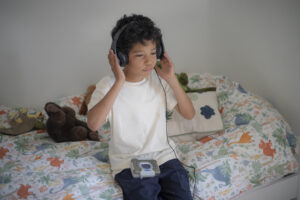
Sensory overload can make ordinary situations feel unmanageable. When you’re able, adjust environments or advocate for sensory-friendly options at home, school, work or in the community. For example, some grocery stores offer sensory-friendly shopping hours when the lights are dimmed and the store doesn’t play music to make things more comfortable for neurodivergent shoppers.
4. Make Space for Individuality
What you might notice: Appearing outwardly fine while showing signs of exhaustion, irritability or emotional collapse later.
What to do next: Create safe spaces where masking isn’t necessary. Normalize rest, authenticity and emotional expression. Let them know they don’t have to perform to be accepted.
Rather than expecting neurodivergent individuals to adapt to unsupportive environments, adjust expectations and routines. Flexibility, curiosity and compassion build a sense of belonging and reduce burnout. Make space for celebrating neurodiversity and individuality!
5. Develop a Safety Plan
 What you might notice: New or increased self-injury, risk-taking or attempts to numb distress. Statements about wanting to disappear, feeling like a burden or not feeling safe.
What to do next: Take this seriously and respond with care, not punishment. Stay with them and listen. Ask directly about safety. Reach out for immediate support through local emergency services or the 988 Suicide & Crisis Lifeline (call or text 988 in the United States). Ask open, non-judgmental questions and connect them to professional mental health support.
A safety plan can be helpful here. For some neurodivergent individuals, highly structured plans can feel limiting. When creating a safety plan, try a more flexible, open conversation.
Helpful questions may include:
- What is a crisis to me? What triggers a crisis?
- What feelings/thoughts/physical sensations do I usually have when in crisis?
- What behaviors do I engage in when I am in crisis?
- What helps me most effectively? Equally, what does not help, or what makes things worse?
- How can others help me?
- What are the signs that I need to seek emergency care or go to the hospital?
6. Encourage Access to Effective Mental Healthcare and Self-Care
What you might notice: Burnout, withdrawal, difficulty keeping up with daily routines, increased sensory overwhelm or changes in sleep, eating or personal care.
What to do next: Acknowledge how hard this can be. Offer help breaking tasks into smaller steps or finding alternative supports, and remind them that barriers to care are not a personal failure.
Self-care can support mental health alongside professional care. Creating flexible, affirming routines — like time for special interests, rest and nourishment — can make daily needs feel more manageable.

Mental Health Support for Neurodivergent Youth
Mental health support doesn’t always fit neurodivergent needs, and families often feel that gap. When care centers neurodiversity, it can open the door to support that actually works.
For decades, KVC has had the privilege of supporting neurodivergent youth and their families across the country. We focus on strengths, creativity and connection, using approaches like evidence-based treatment, trauma-informed care and expressive therapy to help people feel safe and supported. If you or someone you love needs additional support, explore our wide range of mental and behavioral healthcare services.
